What to Expect During a Dry Needling Session
What happens from check-in to the end of your appointment.
1. Clinical Assessment
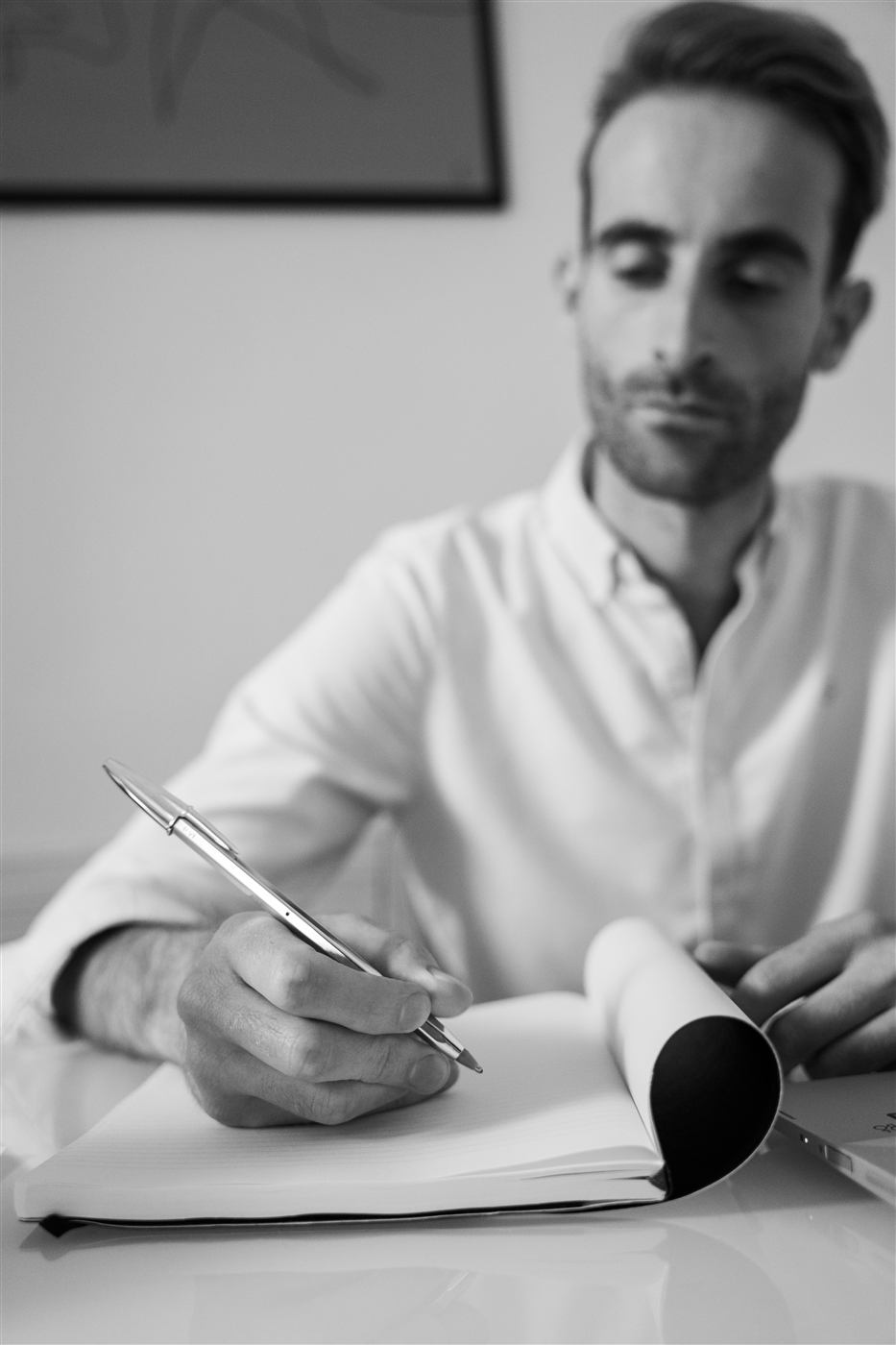
Every first session begins with a conversation (medical history, current pain, lifestyle, sports activity) followed by a clinical examination: postural observation, mobility tests, and palpation of the muscles suspected of causing the pain. This assessment identifies which trigger points to treat and confirms there's no contraindication to needling.
2. The Needling
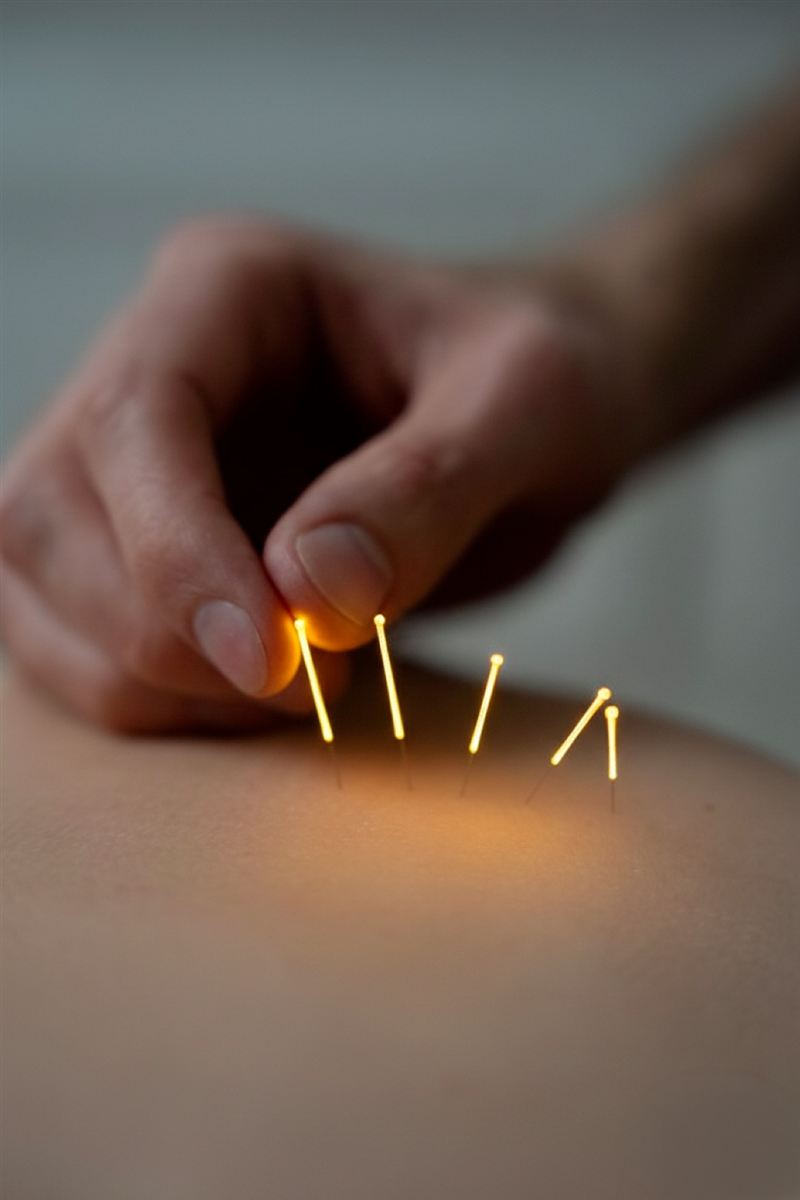
The practitioner inserts a sterile, single-use needle, as thin as an acupuncture needle, directly into the identified trigger point. Passing through the skin is usually almost imperceptible. Once the needle reaches the trigger point, you may feel a brief cramping sensation, heaviness, or a local muscle twitch — a sign the trigger point is responding to treatment.
Several areas may be treated in a single session, depending on the initial assessment.
3. Complementary Techniques
Needling is often combined with manual techniques (stretching, mobilization) and home exercise advice, to reinforce the release achieved and reduce recurrence.
4. Duration and Frequency
| Session length | About 40 minutes, including assessment |
|---|---|
| Number of sessions | Varies by condition; reassessed at each visit |
| Location | 10 rue de Sèvres, 75007 Paris (Sèvres-Babylone metro) |
| Booking | Online via Doctolib |
5. After the Session
Mild muscle soreness, similar to that from exercise, may be felt in the treated areas for 24 to 48 hours after the session. It usually resolves on its own. It's advisable to stay well hydrated and avoid intense effort on the treated area on the day of the session.