What is Dry Needling?
Definition, mechanism, and legal framework of a physical therapy technique increasingly used to treat chronic muscle pain.
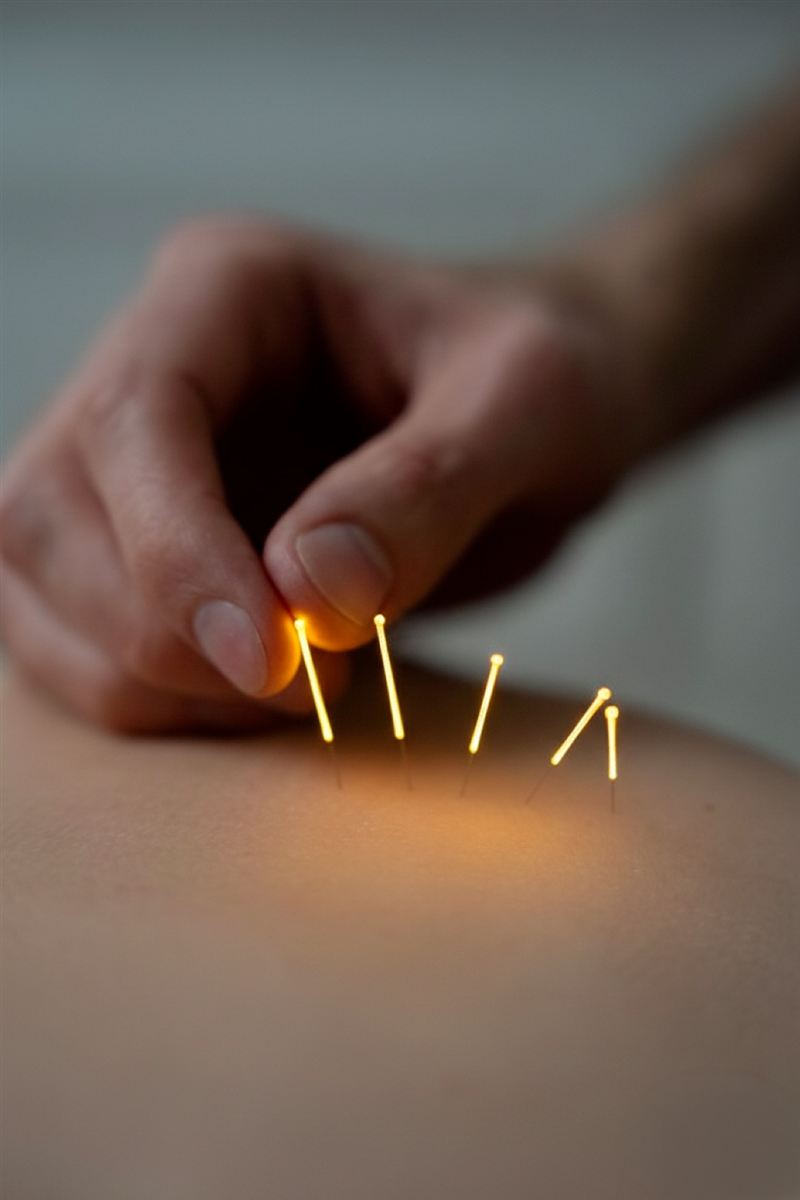
Definition
Dry Needling is a physical therapy technique that involves inserting a thin, sterile, single-use needle — similar to an acupuncture needle — directly into a muscle, at a myofascial trigger point. The term "dry" means no substance is injected: the needle itself does the work, through mechanical stimulation of the muscle tissue.
How Does Dry Needling Work?
When the needle reaches the tight band of muscle fibers that makes up the trigger point, it often triggers a brief, involuntary reflex contraction called a local twitch response. This is usually followed by:
- release of the contracted muscle fibers;
- a temporary increase in local blood flow;
- reduced tenderness to palpation;
- less stiffness and improved range of motion.
A session typically combines needling with an assessment and complementary manual techniques (stretching, mobilization) to help the results last.
Dry Needling vs. Acupuncture: What's the Difference?
Both techniques use the same type of needle, but their foundations are different:
- Acupuncture, rooted in traditional Chinese medicine, is based on the theory of meridians and energy flow.
- Dry Needling is based on Western neuromuscular anatomy: each point treated corresponds to a muscle structure identified through clinical examination, with no reference to meridians.
A Clearly Regulated Practice in France
Since 2017, trigger point dry needling has been an act that physical therapists (masseurs-kinésithérapeutes) in France may legally perform, subject to specific training (at minimum around fifteen hours of prerequisite manual trigger point therapy, followed by dedicated dry needling training). Practitioners must also follow strict hygiene and safety rules (sterile single-use needles, aseptic technique). Dry needling by physical therapists is likewise permitted in many U.S. states, so American visitors may already be familiar with the technique.
What Kinds of Pain Can Dry Needling Relieve?
Dry Needling is used alongside manual therapy for many conditions of muscular origin:
Quick Answers
What exactly is dry needling?
Dry needling is a physical therapy technique that involves inserting a thin, sterile, single-use needle into a myofascial trigger point, without injecting any substance, to release the contracted muscle.
Is dry needling the same as acupuncture?
No. Acupuncture is based on the meridian theory of traditional Chinese medicine, while dry needling directly targets muscular trigger points identified according to Western neuromuscular anatomy, with no reference to meridians.
Who is allowed to practice dry needling in France?
In France, only physical therapists (masseurs-kinésithérapeutes) who have completed specific training in trigger point dry needling are authorized to practice it, a technique regulated since 2017.
Does dry needling hurt?
Inserting the needle through the skin is usually almost imperceptible. A brief cramping sensation or local muscle twitch can occur when the needle reaches the trigger point, generally described as intense but brief.